How to Choose the Right Thailand Island for Your Trip
Compare Thailand islands by coast, season, activities and transport. A practical chooser for travelers picking the right Thai island for their trip.
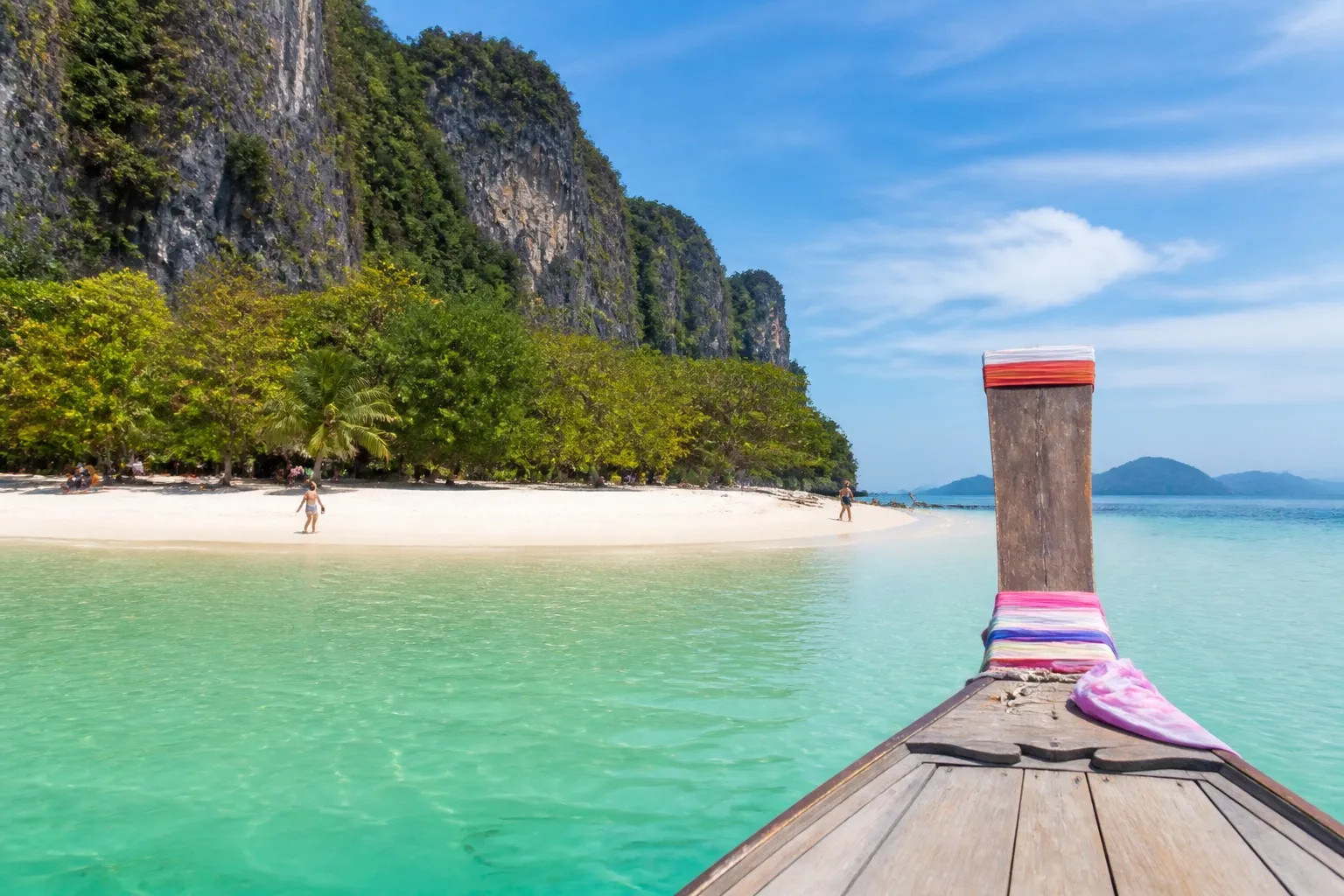
Choose Thailand islands by coast and travel month first, then compare atmosphere, activities, transport time and budget instead of relying on 1 universal ranking. That is how current island guides organize the decision, by coast, season and travel style, and it is also how Tourism Authority of Thailand material frames the question: as a travel-planning decision, not a popularity contest.
The problem with most “best islands in Thailand” lists is that the right answer depends on when you travel and what kind of trip you want. An island that suits a diving trip in one month may be a poor fit for a family beach holiday in another. A single ranking cannot account for your month, your travel style or how much transfer time you can tolerate.
So instead of 1 list, use a sequence:
- Pick your coast, Andaman or Gulf.
- Match your travel month to seasonal factors.
- Shortlist islands by atmosphere and activities.
- Check transport effort, budget implications and park status before booking.
This guide walks through each step, gives you a quick chooser up front, and ends with a realistic planning order you can actually follow.
Thailand Islands at a Glance: The Quick Chooser
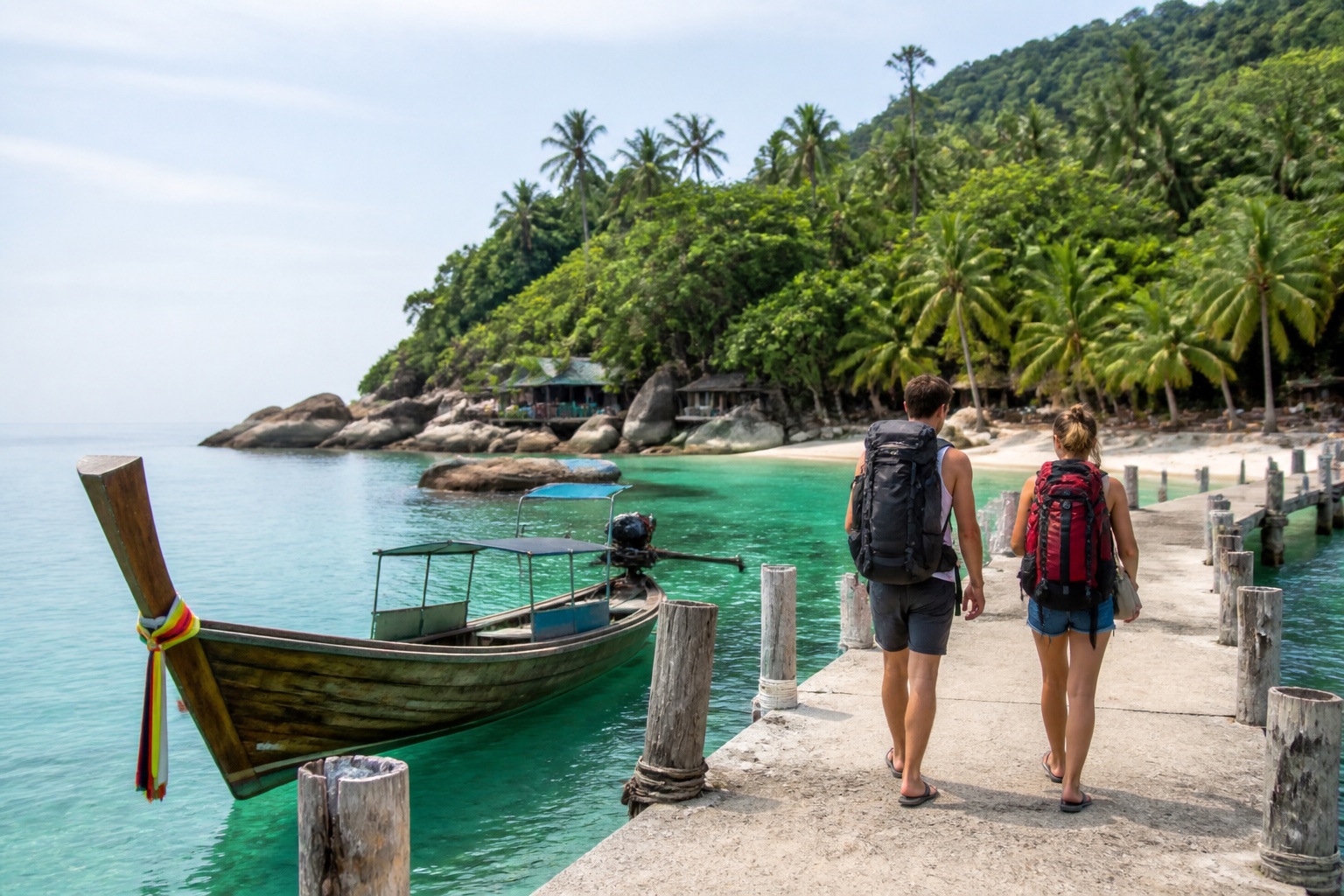
Pick your travel style in the table below, then take the shortlisted islands as your starting point rather than a final verdict. Best-island comparisons typically cover 5 travel styles, beaches, diving, nightlife, families and quieter trips, and rank destinations by 3 dimensions: access, atmosphere and activities.
Use this chooser with 2 cautions. First, your travel month may rule a coast in or out, so read the season section before committing. Second, transport and park status change, so verify schedules and closures on official sources before you book anything.
| If your trip is about… | Commonly compared islands | How to shortlist |
|---|---|---|
| Beaches | Andaman: Phuket, Koh Lanta, Koh Phi Phi. Gulf: Koh Samui, Koh Samet | Compare islands within 1 coast so transfers stay short, then pick the atmosphere you want |
| Diving | Andaman: Koh Phi Phi, Koh Lipe. Gulf: Koh Tao | Rank candidate islands by dive access, then check seasonal fit for your month |
| Nightlife | Gulf: Koh Phangan, Koh Samui. Andaman: Phuket | Compare livelier island scenes within your chosen coast |
| Families | Andaman: Koh Lanta, Phuket. Gulf: Koh Samui | Favor islands with simpler access, then verify transport in your month |
| Quieter trips | Andaman: Koh Lipe, Koh Lanta. Gulf: Koh Samet | Compare quieter islands by how much transport effort each requires |
These names are starting points, not endorsements. The descriptions attached to them in comparison guides are general characterizations: Koh Lanta (เกาะลันตา, Koh Lanta) is generally described as calmer and family-friendly, Koh Phangan (เกาะพะงัน, Koh Phangan) as livelier, and Koh Samet (เกาะเสม็ด, Koh Samet) as a shorter-transfer Gulf option. Confirm the current character of any island close to your travel date, since island scenes change over time.
On budget, the general rule is that cost tends to scale with transfer count and remoteness: more legs and more remote islands usually mean more spending, and livelier islands usually cost more than quieter ones. We will not print specific prices, because they change and vary by season. Instead, use transport effort as your budget proxy when shortlisting, and check current ferry and accommodation prices on official operator and tourism sources before booking.
The key move is to stay inside 1 coast per trip. Crossing between the Andaman and Gulf coasts usually involves a long transfer, and for many travelers that breaks a short island-hopping plan.
Andaman Coast vs Gulf Coast: Start Here

Thailand island planning begins with the Andaman and Gulf coast distinction, and you should choose a coast before building an island-hopping route. The Andaman coast faces west, toward the Indian Ocean, and holds islands such as Phuket (ภูเก็ต, Phuket), Koh Phi Phi (เกาะพีพี, Koh Phi Phi), Koh Lanta (เกาะลันตา, Koh Lanta) and Koh Lipe (เกาะหลีเป๊ะ, Koh Lipe). The Gulf coast faces east and holds islands such as Koh Samui (เกาะสมุย, Koh Samui), Koh Phangan (เกาะพะงัน, Koh Phangan), Koh Tao (เกาะเต่า, Koh Tao) and Koh Samet (เกาะเสม็ด, Koh Samet). These are not just geographic labels: the 2 coasts have different seasonal patterns, different route logic and different transfer times, so the coast decision shapes everything downstream.
Most first-time visitors do not realize this is a decision at all. They pick an island from a list, then discover their second choice sits on the other coastline, adding long stretches of buses, ferries or a domestic flight between stops. Choosing a coast first keeps your transfers short and your route coherent.
| Factor | Andaman coast | Gulf coast |
|---|---|---|
| Position | West side of southern Thailand | East side, facing the Gulf |
| Typical islands | Phuket, Koh Phi Phi, Koh Lanta, Koh Lipe | Koh Samui, Koh Phangan, Koh Tao, Koh Samet |
| Seasonal pattern | Distinct seasonal variation | Distinct seasonal pattern, differing from the Andaman |
| Route logic | Islands cluster within reach of each other | Islands cluster within reach of each other |
| Coast crossing cost | A coast-to-coast move is a long transfer | Same, in reverse |
Maps and route context genuinely help at this stage. Sketch your candidate islands on a map of Thailand and look at where they sit relative to each other. Two islands that sound close in a guide can be several hours apart by boat, and a map makes that obvious before you commit. Official tourism sources and current island maps are the reliable references for route context.
Which Coast Has Better Weather for Your Month?
Season and regional weather are recurring island-selection factors, so match your travel month to the coast before picking a specific island. The 2 coasts do not share 1 weather pattern, which is exactly why the coast decision comes first. The same month can suit 1 coast better than the other, and this is a factor travelers weigh in every credible island guide.
As a general seasonal pattern, not a forecast, the Andaman side is typically favored during the northern-hemisphere winter months, roughly November to April, while the southwest monsoon brings rougher seas and rain to the Andaman coast later in the year. The Gulf side is often the better fit during that Andaman monsoon stretch, though it has its own windier and wetter window around November to December. Treat the table below as a starting filter only.
| Your travel month (approx.) | Generally favored coast | Reason to pause |
|---|---|---|
| November to April | Andaman | Gulf can be windier around November to December |
| May to October | Gulf | Andaman monsoon can mean rough seas and rain |
Weather is never guaranteed, and patterns vary year to year and island to island. Check what current season guidance says for your specific month on the official Tourism Authority of Thailand site before you commit, then treat season as a filter, not a rule:
- Note your fixed travel month, if you have 1.
- Check what current season guidance says for each coast in that month, using official tourism sources and up-to-date island guides.
- Favor the coast with the better seasonal fit, then narrow to islands within that coast.
This ordering matters because a weather mismatch can rule out an otherwise perfect island, while a good seasonal fit gives you more islands to choose from. If your dates are flexible, you can reverse the sequence: choose the coast whose atmosphere you prefer, then pick a month that suits it.
Island Personalities: Matching Atmosphere to Your Trip

Current comparison guides rank islands by access, atmosphere and activities, so use those 3 dimensions to match an island to your trip. “Best” collapses quickly once you separate those dimensions, because the top island for nightlife is rarely the top island for a quiet beach week, and neither is automatically right for families.
Here is how to apply each dimension, with the islands that come up most often at each end of the spectrum:
- Access: How much transport effort does the island require? Phuket and Koh Samui are typically the easiest-access anchors on their coasts, while Koh Lipe usually requires more legs to reach. A long ferry plus a van transfer plus a second boat is a different trip from a short hop from a mainland pier, and access constrains how many islands fit your itinerary.
- Atmosphere: What does the island feel like at the time you visit? Koh Phangan is commonly described as lively and social, Koh Lanta and Koh Samet as calmer, and Phuket and Koh Samui as big enough to hold several different scenes on 1 island. Atmosphere is what most people actually mean by “best island,” and it shifts with season and crowd levels.
- Activities: What can you actually do there? Koh Tao is the island most consistently compared for diving, Koh Phi Phi for snorkeling and day-trip beaches, and the larger islands for the widest range of activities, including family-friendly options. Activity coverage is a standard comparison dimension in island guides, so match it to your trip rather than to a ranking.
Map your own trip onto these dimensions before reading any ranking. If you are traveling with children, atmosphere and access dominate: a lively party island fails the trip no matter how good its beach is. If you are diving, activities and access dominate, because dive access and seasonal conditions decide your shortlist. If you want a quieter trip, filter for calm atmospheres first, then rank candidates by how much transfer time each costs you.
The mistake to avoid is ranking islands before you rank your own priorities. Once you know which of the 3 dimensions matters most for this specific trip, the shortlist usually narrows itself.
Transport Planning: Getting to and Between Islands
Your transport effort limit, not the best-island list, usually decides how many islands fit your trip. Every additional island in an itinerary costs transfer time: a ferry, a van, a flight or a combination. As a planning heuristic rather than a rule, many travelers budget substantial chunks of a day for each inter-island move until they have confirmed the specific schedule. This is why transport planning comes after the coast decision but before you finalize your shortlist.
A realistic sequence looks like this:
- Choose your coast first, because coast choice precedes any island-hopping route. Islands within 1 coast connect with shorter, simpler transfers.
- Look at a map of your candidate islands and compare their positions relative to each other. Maps and route context help you compare islands by region and spot hops that look small but are not.
- Count transfers, not islands. An itinerary with several islands on 1 coast can involve fewer travel hours than 2 islands split across coasts.
- Verify current ferry schedules on official operator and tourism sources before booking, such as the Tourism Authority of Thailand. Schedules and prices change, so never plan around a timetable you read in an article, including this 1.
Budget follows the same logic. More transfers mean more fares, and more remote islands usually carry higher costs for the same standard of stay. When comparing shortlists, ask which option reaches a similar experience with fewer legs: it is often the cheaper and less tiring choice. Since prices change by season and year, check current fares and rates on official sources rather than relying on figures from any guide.
The most common planning error is treating “island hopping” as a set of quick hops. Some connections are quick, but others involve long crossings or mainland transfers with waiting time. Confirm each specific connection before you count on it, and consider keeping some slack in any multi-island week so a delayed boat does not derail the trip.
Responsible Travel on Thai Islands

Check official park and closure notices before finalizing your route, because park status can change and affects which islands you can visit. Some Thai islands and surrounding waters sit inside national park areas, and park rules, closures and openings are decided by the authorities, not by guidebooks or blog posts. A route that looked fine last year may hit a closure this year.
Practical steps:
- Use official sources such as the Department of National Parks and the Tourism Authority of Thailand for closure and rule information, not social media or dated articles.
- Re-check park status close to your travel date, since closures can be seasonal or announced on short notice.
- Treat posted rules on protected areas as binding, whether they concern access, marine life or waste.
- Support local businesses on the islands you visit, and be respectful of communities whose islands are their homes, not just destinations.
This checks the same box as your transport verification: 1 pass through the official notices before you book protects your itinerary and the places you are visiting.
Practicing Thai on the Islands

A few polite Thai phrases make island travel smoother, starting with the greeting sawatdee (สวัสดี) and the polite ending khrap (ครับ) if you are male or kha (ค่ะ) if you are female. Polite Thai is appropriate whenever you speak with people in service and local-community settings, from boat operators to guesthouse hosts, and using even a small amount of the language is a respectful way to engage with the places you are visiting.
Useful starters for island travel:
- Sawatdee khrap / sawatdee kha (สวัสดีครับ / สวัสดีค่ะ), hello. Attach the polite ending that matches the speaker.
- Khop khun khrap / khop khun kha (ขอบคุณครับ / ขอบคุณค่ะ), thank you. Used constantly, and always with the polite ending.
- Tao rai (เท่าไหร่), how much? Essential at markets, longtail boats and food stalls.
- Mai phet (ไม่เผ็ด), not spicy, if you are ordering local food and want a milder plate.
These are exactly the situations where politeness matters in Thai. The polite ending is not decoration: adding khrap (ครับ) or kha (ค่ะ) to a question or thank-you softens the sentence and shows respect for the person you are speaking with.
If you want to go beyond survival phrases, our Thai phrases to know guide covers everyday conversation, and how to say how much in Thai breaks down price questions, bargaining context and numbers. A little structured practice before your trip is useful preparation for these interactions.
Verdict: The Right Island Depends on Your Month and Style
Choose your coast by month, shortlist 2 or 3 islands by atmosphere and activities, then verify transport, budget implications and park status before booking. That sequence replaces the single-ranking approach with a decision you can defend, because every step filters using a factor that actually varies by trip: season, style, access, budget and park status.
In short:
- Coast: Andaman or Gulf, chosen with your travel month in mind.
- Shortlist: 2 or 3 islands within that coast, ranked by the dimension that matters most for your trip: atmosphere, activities or access. Fewer transfer legs usually means lower cost and less travel time, so use access as your budget proxy.
- Verify: Current ferry schedules and prices, plus official park notices, close to your booking date.
This delivers the promised outcome: a shortlist of suitable islands and a realistic planning sequence, rather than a list you cannot act on. And if part of your trip includes a longer stay in Bangkok, you may want to explore our Thai language course as a way to build practical Thai before you travel.
Thailand Islands FAQ
Which Thai island is best for a first visit?
There is no single best island for a first visit, because best-island comparisons split by purpose: beaches, diving, nightlife, families and quieter trips. For a first trip, pick the coast that suits your travel month, then choose the island on that coast whose access and atmosphere match your energy level. Commonly suggested first-visit islands include Phuket and Koh Samui for their relatively simple access, while more remote options such as Koh Lipe involve more transfers.
Which coast has better weather for my month?
Match your month to the coast before choosing an island. The Andaman side is generally favored from November to April, while the Gulf can suit parts of the Andaman monsoon period but has its own wetter window. Check current seasonal guidance with the official Tourism Authority of Thailand before booking. Weather varies, so treat these as planning patterns rather than guarantees.
Which Thailand island suits diving, families or nightlife?
For diving, travelers often compare Koh Tao, Koh Lipe and Koh Phi Phi. Families commonly shortlist Koh Lanta or Koh Samui for easier access and a calmer atmosphere. Nightlife seekers usually compare Koh Phangan, Koh Samui and Phuket. Use access, atmosphere and activities as your 3 filters, then verify current conditions before choosing.
How many Thai islands fit into a 1-week trip?
There is no fixed answer, because your transport effort limit, not your wishlist, decides the count, and transfer times vary by route and current schedules. Every island move costs transfer time, and coast-to-coast moves are especially expensive, which is why choosing a coast before building a route matters. Count your transfers rather than your islands, verify current ferry schedules on official sources, and leave some slack for delays.